
A hidden leak under the floor, found and fixed
What is slab leak repair? Slab leak repair is fixing a leak in a water supply pipe that runs through the soil beneath a home’s concrete slab foundation. It starts with leak detection to find exactly where the pipe has failed, then one of three fixes: opening the slab to repair that spot, rerouting a new pipe through the walls or attic, or repiping the house.
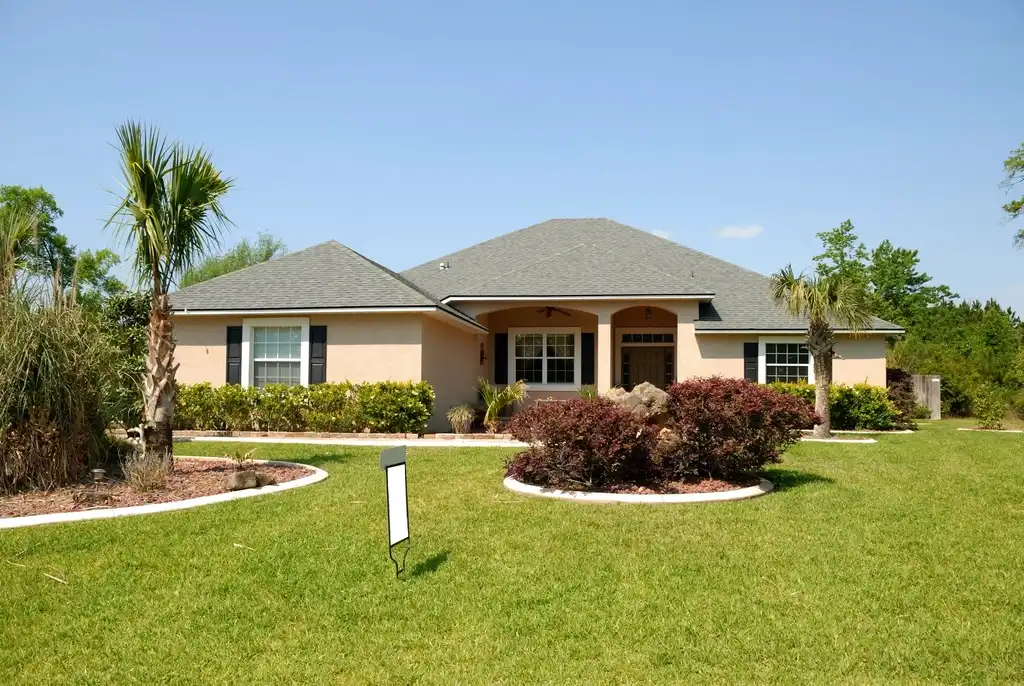
Many homes in Greenacres sit directly on a concrete slab, with the water lines buried in the ground underneath. That design is common across South Florida, but it means a leaking pipe is out of sight. Water can soak the soil and seep into flooring for weeks before anyone notices. The good news is that modern detection lets a plumber narrow a leak down to a small area before any tile or concrete is disturbed.
Slab Leak Repair Greenacres is a referral service. We don’t send out our own crews. When you call, we connect you with an independent plumbing provider serving the Greenacres area who handles slab leak work. That provider inspects, quotes and does the job, and you decide whether to go ahead.

Signs of a slab leak in a Greenacres home
A slab leak rarely announces itself with a puddle. It usually shows up as a handful of small clues. One sign alone might have another cause, so it helps to look for two or more together.
- An unexplained jump in your water bill. Greenacres homes are billed by the Palm Beach County Water Utilities Department. If usage climbs month over month and your habits haven’t changed, something may be running that you can’t see.
- Warm spots on the floor. A leak on the hot-water line heats the concrete above it. Bare feet often notice it on tile first. Our page on hot water slab leaks and warm floors explains why this is the most telling symptom.
- Sound of running water near a wall or floor when no faucet, toilet, sprinkler or appliance is on.
- Damp carpet, loose or cracked tile, or cupping wood flooring, especially along an interior path rather than next to a window or door.
- A musty smell or mildew near baseboards. In a humid climate, moisture trapped under flooring can support mold growth.
- Lower water pressure throughout the house, or a water heater that seems to cycle constantly.
- The water meter moves while everything in the house is turned off.
Sticking doors, diagonal wall cracks or sloping floors point more toward structural movement. Our guide on telling a slab leak from a foundation problem explains which to check first.
How to check for a leak before you call
You can do a simple meter test in about 30 minutes. It won’t tell you where the leak is, but it tells you whether water is escaping somewhere.
- Turn everything off. Faucets, showers, toilets (make sure none is refilling), the ice maker, washing machine, dishwasher and irrigation.
- Find your water meter, usually in a box near the street or sidewalk. Note the reading, or watch the small leak-indicator dial if your meter has one.
- Wait 20 to 30 minutes without using any water, then check again.
- If the reading changed or the indicator is turning, water is leaving the system. It could be under the slab, in the buried line from the meter to the house, or a fixture you missed.
A professional can go further, isolating the hot and cold sides and then locating the exact spot. Our guide to how slab leak detection works walks through the tools involved. If the meter moves but the house seems dry, the problem may be outside, in the underground water line between the meter and your home.
What happens when you call
- You call (561) 555-0142. Tell us what you’re noticing and where the home is.
- We connect you with an independent plumbing provider that serves your part of the Greenacres area and handles slab leak work, when one is available.
- The provider talks through your situation and, if needed, arranges a visit to test the lines and locate the leak.
- You get the provider’s recommendation and quote for the repair method that fits your home, and you decide whether to go ahead.
There’s no charge for the referral call itself. All inspection, pricing, scheduling and workmanship are between you and the provider. You can read more about how our referral service works.
Slab leak repair options compared
Once the leak is located, a plumber will usually recommend one of the approaches below. Which one makes sense depends on the pipe’s overall condition, where the leak is, what flooring sits above it, and whether this is the first leak or the third.
| Method | What it involves | Often considered when… |
|---|---|---|
| Spot repair | Opening the floor and concrete at the leak, replacing the damaged pipe section, then restoring the slab. | There’s one leak, the rest of the pipe is in reasonable shape, and the flooring above is easy to replace. |
| Reroute | Abandoning the failed line under the slab and running a new one through walls or the attic. | The floor is expensive tile or wood, or the same line has leaked before. |
| Whole-house repipe | Replacing most or all of the home’s supply piping. | Leaks keep appearing in different places, or the original piping is aging throughout. |
Some providers also offer epoxy pipe lining or tunneling under the foundation from outside. These are specialized approaches that suit only certain situations, so ask the provider whether they apply to your home.
Slab leak services we can connect you with
From finding the leak to replacing the pipe, these are the jobs independent providers in the Greenacres area handle most often.
 Slab Leak DetectionPinpointing the leak under the concrete before anything is opened.Learn more →
 Slab Leak RerouteAbandoning the failed pipe and running a new line through walls or attic.Learn more →
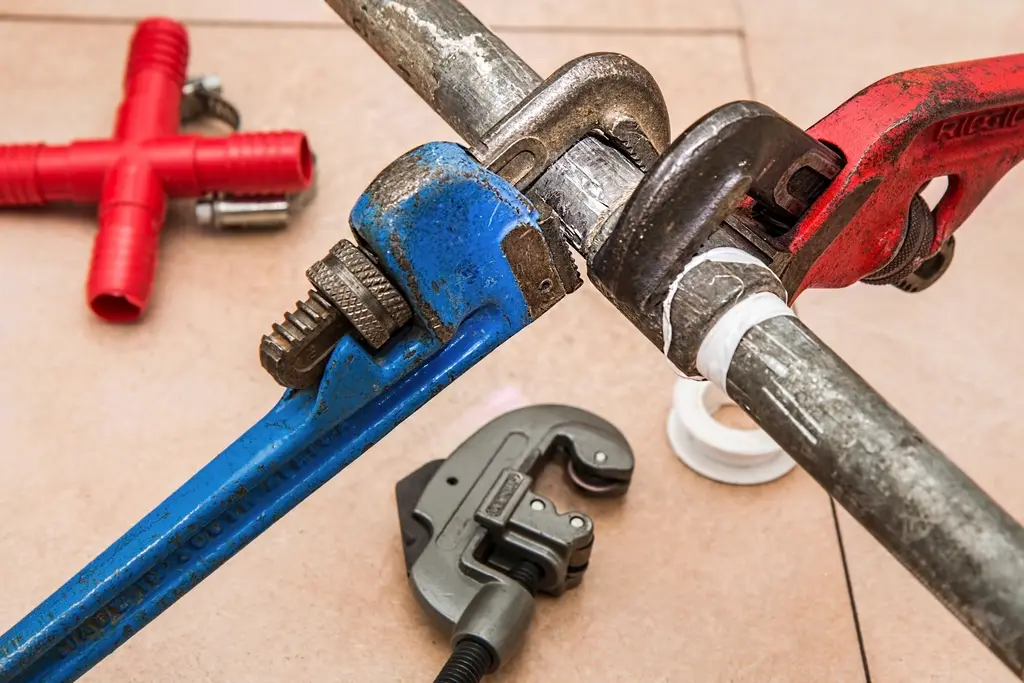 Slab Leak Spot RepairOpening the slab at the leak and replacing the damaged section.Learn more →
 Whole-House RepipingReplacing the supply plumbing when leaks keep coming back.Learn more →
- Hot Water Slab LeakWarm spots on the floor and a water heater that never stops running.Learn more →
 Water Line Leak RepairLeaks in the buried line between the meter and the house.Learn more →
Helpful guides before you call
Not sure what you’re dealing with, or how insurance fits in? Start here.

What affects the cost of slab leak repair?
We don’t publish prices, because the cost is set by the provider after they’ve inspected your home and can vary a lot from one house to the next. These are the factors that usually drive the quote:
- Detection: how long it takes to isolate and pinpoint the leak.
- Repair method: a single spot repair, a reroute of one line, or a partial or full repipe.
- Access and flooring: breaking and restoring tile, wood or concrete adds labor and materials; routing through an attic avoids it.
- Pipe material and condition: whether the rest of the line is sound or showing wear.
- Water damage: drying out, flooring replacement or mold work are separate from the plumbing repair.
- Permits: some plumbing work requires a permit from the local building department.
Ask for the quote to be itemized so you can compare options side by side. For example, compare the price of a spot repair plus new tile against a reroute that leaves the floor alone.
Does homeowners insurance cover a slab leak?
It depends on your policy, so call your insurer before work begins if you plan to file a claim. Many policies treat three things differently: the pipe repair itself, the cost of accessing the pipe (breaking and restoring the floor), and resulting water damage to flooring, drywall and belongings. Some cover damage from a sudden leak but not the pipe repair, or exclude damage from a slow leak that went on for a long time.
Practical steps: photograph the damage, keep the leak-detection report, keep receipts for emergency repairs, and ask the provider for written documentation of the cause and location of the leak. We aren’t an insurance advisor, so your policy and your insurer have the final word.
For Florida claim deadlines, the common 14-day seepage exclusion and a documentation checklist, read our full guide to slab leak insurance in Florida.
Slab leaks in condos, villas and townhomes
Greenacres isn’t only single-family houses. The city describes its housing as a mix of single-family homes, condominiums, villas, townhomes and apartments. In attached homes, a leak under a shared slab raises questions a detached homeowner doesn’t face:
- Who is responsible for the pipe? It depends on your community’s governing documents. Florida condominiums operate under Chapter 718 of the Florida Statutes and their declaration of condominium; many villa and townhome communities are homeowners’ associations under Chapter 720 and their own covenants. Some pipes belong to the owner, some to the association.
- Tell the association early. A leak under one unit can affect the units next to it, and many associations have a required process or approved contractors.
- Check both insurance policies. Your unit owner’s policy and the association’s master policy may each cover different parts of the loss.
- Renting? Report the leak to your landlord or property manager right away. Repairs to the building are generally their responsibility to arrange.
Our West Palm Beach page covers the condo and HOA question in more detail. When you call, mention that you live in an attached home so the provider can plan around shared walls and slabs.
Why slab leaks are worth taking seriously in Greenacres
Three things about local homes make slab leaks a real concern:
- Slab-on-grade construction. Many homes here sit on a concrete slab poured directly on the ground, so supply lines run below the floor instead of in a crawlspace you could inspect.
- Plumbing age. Greenacres grew rapidly from the 1970s onward, so many homes are now decades old. Buried pipes wear with age, whether from corrosion, abrasion against concrete or gravel, or years of hot-water expansion and contraction.
- A humid, tropical climate. Moisture trapped under flooring dries slowly, and hidden dampness can lead to mildew and mold if a leak goes unaddressed.
None of this means a leak is likely in any particular home, but it’s why an unexplained water bill or a warm spot on the floor deserves a prompt check rather than a “wait and see.”
Is a slab leak an emergency?
Treat it as urgent if water is visibly coming up through the floor, flooring is lifting, or you can hear a strong, constant flow. Shut off the main valve and call. A slow leak found through a meter test is less dramatic but still worth acting on soon, because the water keeps running around the clock, adding to your bill and soaking the ground under the slab.
Availability depends on the independent providers in your area. When you call, we’ll try to connect you with one who can respond as soon as possible.
Hearing water you can’t find?
One call connects you with an independent local provider who can test your lines and explain your options.
Areas we serve around Greenacres
Our main focus is Greenacres, including neighborhoods on both sides of Jog Road and Military Trail. We also connect homeowners in neighboring Palm Beach County communities. Each area page covers local details such as which water utility sends your bill:
- Slab leak help in Wellington, just west of Greenacres, where much of the housing went up from the 1970s through the 1990s.
- Palm Springs slab leak repair, the village that borders Greenacres to the east, with homes dating back to the late 1950s.
- Lake Worth Beach, a city with some of the county’s oldest neighborhoods and its own water utility.
- Royal Palm Beach slab leaks, which, like Greenacres, is served by the county water utility.
- West Palm Beach, the county seat, with housing that spans many decades.
 Slab leak help in WellingtonWest of Greenacres; village water utility.Learn more →
 Slab leak help in Palm SpringsBorders Greenacres to the east; homes from the late 1950s.Learn more →
 Slab leak help in Lake Worth BeachHistoric neighborhoods and a city-run utility.Learn more →
 Slab leak help in Royal Palm BeachCounty water like Greenacres; some private wells.Learn more →
 Slab leak help in West Palm BeachThe county seat; city water utility.Learn more →
Why homeowners use our referral line
- One call instead of many. You don’t have to work through a list of plumbers to find one who handles slab leaks and serves your street.
- Slab-leak focused. We connect callers specifically for slab leak detection and repair, not general plumbing.
- You stay in control. The provider explains what they found and quotes the work, and you decide.
- Straightforward about what we are. We’re a referral service, not a contractor. Before hiring anyone, you can verify a Florida contractor’s license through the state DBPR license lookup.
Frequently asked questions
How do I know if I have a slab leak?
The most reliable clues are a water meter that moves while everything is off, an unexplained rise in your water bill, warm or damp spots on the floor, and the sound of running water with no fixtures on. Two or more together are a strong reason to have the lines tested.
Can a slab leak be found without breaking the floor?
Yes. Plumbers use pressure testing to confirm which line is leaking, then acoustic listening devices, thermal imaging and pipe locators to narrow the leak to a small area. The floor is only opened if a spot repair is chosen.
Is it better to reroute or to repair a slab leak?
A spot repair can make sense for a single leak in otherwise sound pipe under easy-to-replace flooring. A reroute is often preferred when the floor is costly tile or wood, or when the same line has leaked before, because the failed section is abandoned instead of patched.
Will my homeowners insurance pay for a slab leak?
Coverage varies by policy. Many policies separate the pipe repair, the cost of accessing the pipe through the floor, and resulting water damage. Contact your insurer before work begins and keep the leak detection report and photos.
Should I turn off my water if I think I have a slab leak?
If you can see water or flooring damage, or hear a strong flow, yes: close the main shutoff valve until the leak is located. For a suspected hot-water leak, closing the cold-water supply valve on the water heater can also limit the flow.
Do you do the repair yourselves?
No. Slab Leak Repair Greenacres is a referral service. We connect you with an independent local plumbing provider who inspects, quotes and performs the work.
Is there a fee for calling?
There is no charge for the referral call. Any inspection, detection or repair costs are quoted by the provider you are connected with, and you decide whether to hire them.
I live in a condo, villa or townhome. Who pays for a slab leak?
It depends on your community’s governing documents. Florida condominiums follow Chapter 718 of the Florida Statutes and their declaration, and many villa and townhome communities are HOAs under Chapter 720. Contact your association early and check both your own policy and the association’s master policy.
What areas do you cover besides Greenacres?
We also connect homeowners in Wellington, Palm Springs, Lake Worth Beach, Royal Palm Beach and West Palm Beach, subject to provider availability.